 Corporate Information & Media Room

Country or Region selection
Worldwide MSC International
Europe
Corporate Information & Media Room
REGIONAL EXPERTS MOBILIZE TO COMBAT STONY CORAL TISSUE LOSS DISEASE THREATENING CARIBBEAN REEFS
07/03/2026- MSC Foundation convenes regional expert workshop bringing together over 45 scientists, government representatives and conservation partners to strengthen collaboration and science-based action on coral disease
- Participants identified five key priorities for safeguarding Bahamian coral reefs
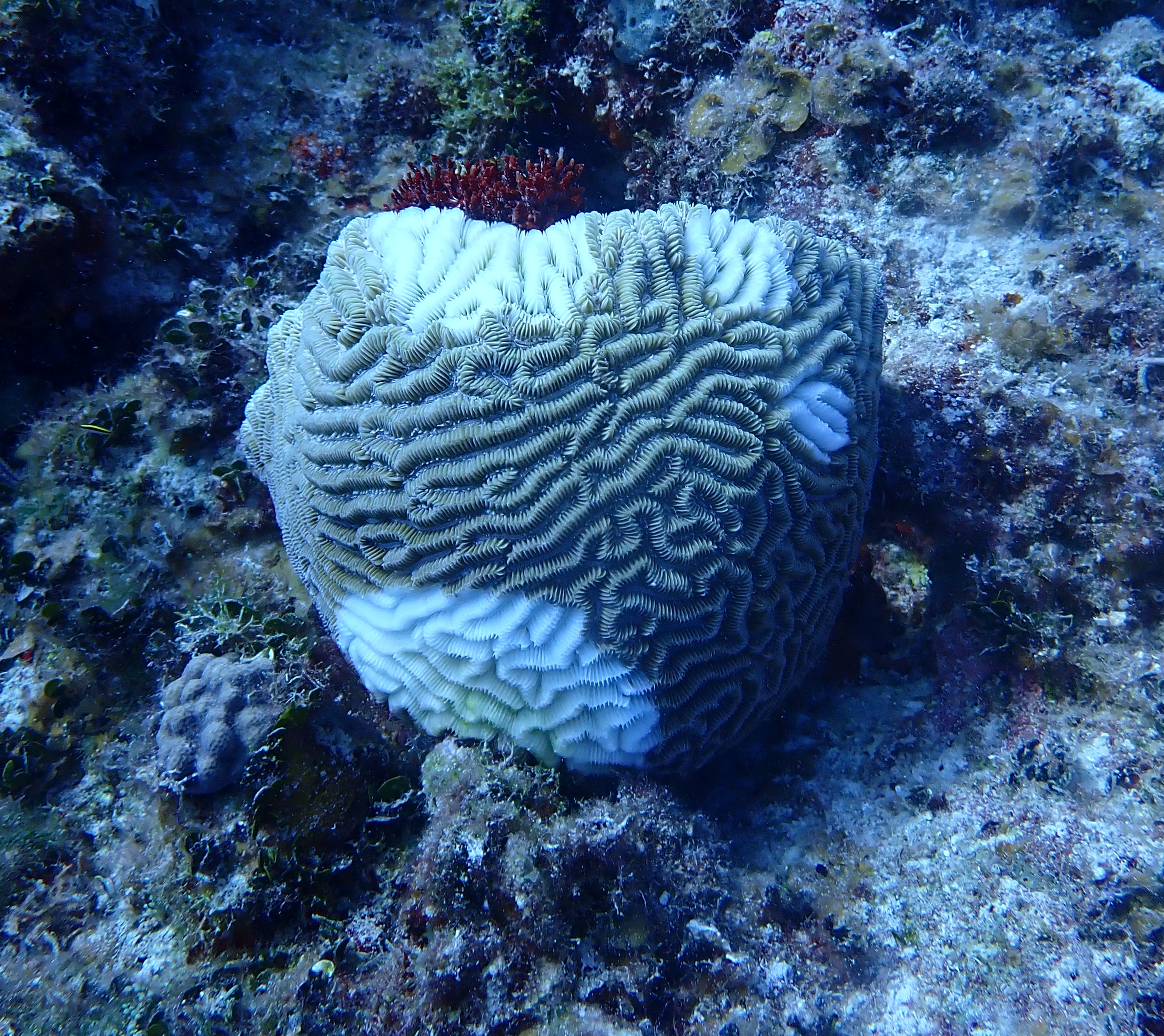
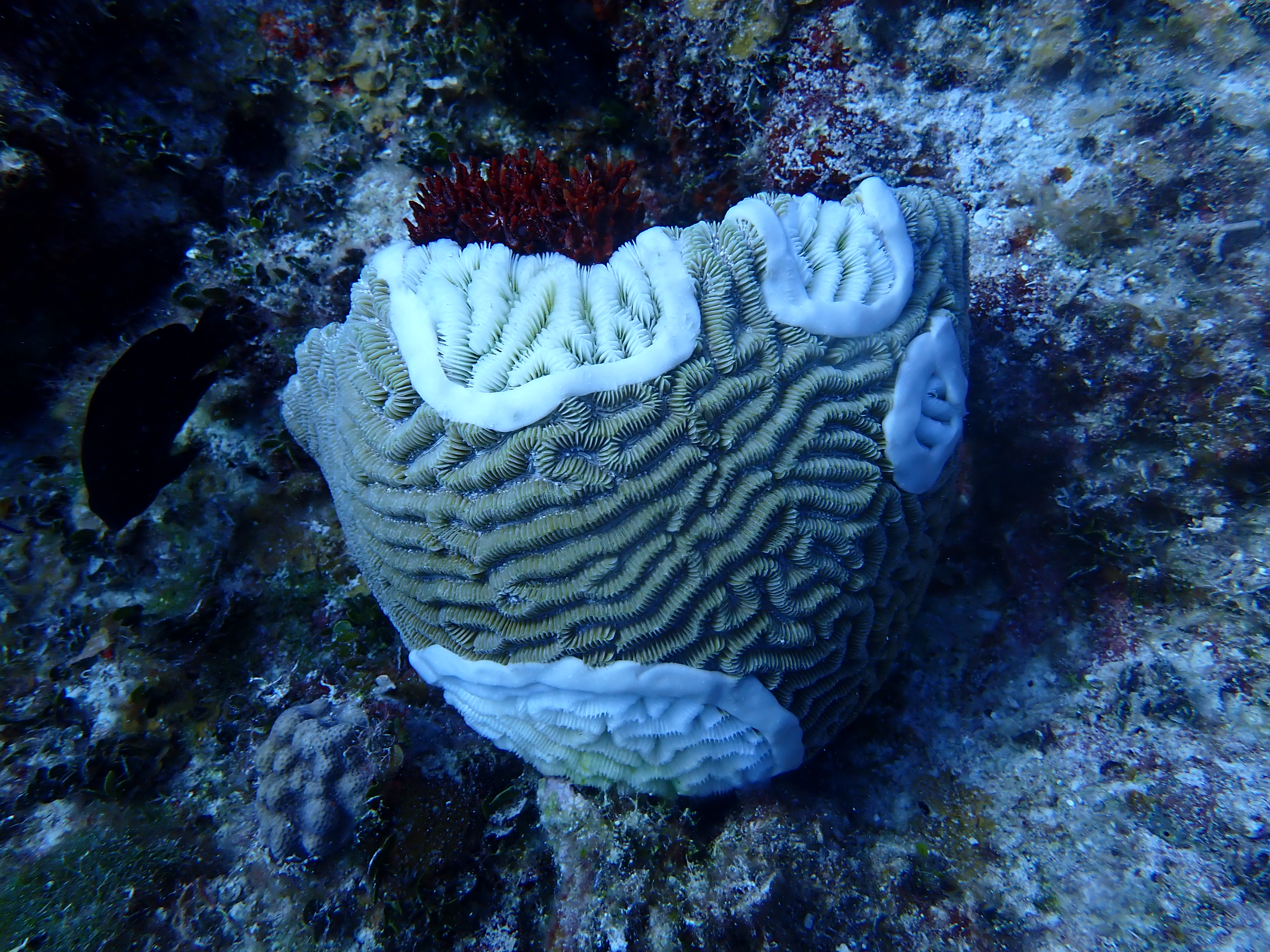
MIAMI – June 25, 2026 – At an expert workshop this week in Miami, scientists and practitioners agreed with the urgent need to strengthen responses to Stony Coral Tissue Loss Disease (SCTLD), one of the most serious threats facing coral reefs across the Caribbean, including Florida and The Bahamas.
In a keynote addressing experts in Miami, Dr. Rhianna Neely-Murphy, Director of The Bahamas Department of Environmental Planning and Protection, said: "SCTLD remains a serious challenge for us, but it is also an opportunity to strengthen our stewardship, accelerate science-based decision making, and empower communities to build a more resilient archipelago. Since its emergence, SCTLD has caused an unprecedented threat to our reef building corals across the Bahamas."
Highlighting the complexity of the challenge, workshop participants from across The Bahamas, Florida and the wider Caribbean agreed on the need for coordinated action, strengthened scientific collaboration, and open exchange of data and best practices to achieve meaningful progress. Participants highlighted the significant efforts underway to understand the impacts of the disease on reef ecosystems and the effectiveness of existing treatments and management approaches.
Dr. Aaron Hartmann, Senior Scientist at PIMS and Head of The Bahamas Coral Program, said: "Stony Coral Tissue Loss Disease is one of the most serious threats Caribbean reefs have ever faced, and The Bahamas sits directly in its path. Perry Institute for Marine Science has worked alongside Bahamian agencies and regional partners for years to monitor our reefs, treat affected corals, and understand how this disease spreads and how to slow it. What this workshop does is bring that on-the-ground experience together across borders, because coral disease does not stop at national boundaries and neither can our response. By sharing data, treatments, and hard-won lessons openly, we give these reefs, and the fisheries, livelihoods, and communities that depend on them, a far stronger chance to recover."
Participants identified five key priorities for safeguarding Bahamian coral reefs: building local conservation capacity, closing critical data gaps, strengthening national research collaboration, identifying levels of reef interconnectivity, and implementing integrated management approaches that address the full range of threats facing reef ecosystems. Participating organizations also committed to developing a shared framework that can inform coordinated efforts on conservation priorities.
David Smith, MSC Foundation Chief Scientific Adviser, said: “The scale and complexity of Stony Coral Tissue Loss Disease means that no single organization or country can address it alone. Bringing together experts from different regions and disciplines creates a real opportunity to learn from one another, strengthen coordination and support science-based action for reef conservation.”
Since first identified in Florida in 2014, SCTLD has spread across multiple countries and territories across the Caribbean region, including The Bahamas. The disease affects hard corals and can spread rapidly across reefs, threatening marine biodiversity, fisheries, tourism and coastal protection. In The Bahamas, national response efforts have involved government agencies, scientific partners and conservation organizations working together to strengthen monitoring, treatment and management approaches.
The expert workshop “Stony Coral Tissue Loss Disease: Partnering for Resilient Reefs” convened representatives from government agencies, research institutions, conservation organizations and restoration practitioners working across The Bahamas, Florida and the wider Caribbean to exchange experience, review emerging science spanning disease ecology and epidemiology, pathogen identification, field detection and reef health monitoring, treatment development and application, intervention effectiveness, national-scale implementation strategies and restoration science.
About the Expert Workshop
Rapid spread of SCTLD across the wider Caribbean region is causing significant ecosystem damage. SCTLD has been found to result in complete coral colony mortality in a matter of months in certain instances and has led to up to 60% losses of coral cover to affected reefs in Florida.Experimental treatments have been tested on tens of thousands of corals, including antibiotic treatments that have shown as much as 84% survival after three years, as well as probiotic treatments. Yet SCTLD has reportedly affected over half of Florida’s coral reef tract, more than 30 percent of Mexico’s Caribbean reefs, over 175 square miles of coral reefs in the Bahamas, and as of mid-2025 has been identified in 33 countries, far exceeding capabilities to contain and minimize the impact of the rapidly advancing disease.
The workshop was organized following the increased prevalence of SCTLD on reefs near Ocean Cay during environmental assessments undertaken in collaboration with PIMS in 2025. The 2025 survey identified over 10 percent of coral at one of the sites, others at 3 and 1.5 percent, when a similar 2019 survey had identified no disease impact. Under permits issued by DEPP and in partnership with PIMS, the MSC Foundation has supported treatment efforts to help slow disease progression and protect vulnerable coral colonies.
Participants represented a broad range of government agencies, research institutions, conservation organizations and restoration practitioners from across The Bahamas, the United States, Mexico, the Dominican Republic, Curaçao, Saudi Arabia and beyond.
Organizations represented included The Bahamas Department of Environmental Planning & Protection, Perry Institute for Marine Science, University of The Bahamas, Bahamas Agriculture and Marine Science Institute (BAMSI), Bahamas National Trust, Bahamas Protected Areas Fund, Nova Southeastern University, University of Miami, NOAA, Smithsonian Marine Station, Mote Marine Laboratory & Aquarium, The Nature Conservancy, Healthy Reefs for Healthy People Initiative, ReefLine, National Center for Integrated Coastal Research, University of North Carolina Wilmington, Universidad Nacional Autónoma de México, Fundación Dominicana de Estudios Marinos (FUNDEMAR), MARS Sustainable Solutions, BRANCH Coral Foundation, KAUST, MIT Self-Assembly Lab and the MSC Foundation.
ENDS
ABOUT MSC FOUNDATION
Headquartered in Geneva, Switzerland, the MSC Foundation is the philanthropic arm of the MSC Group. Established in 2018, the Foundation supports initiatives in environmental conservation, community support, education, and emergency relief. Its mission is to harness MSC’s global reach and knowledge of the sea to take action that contributes to protecting and nurturing the blue planet and its people. Globally in 2025, the MSC Foundation’s programs, initiatives and emergency operations reached more than 310,000 people across 33 countries, with its Marine Conservation Center in The Bahamas central to its conservation under the Super Coral Reefs Program.
Media contact
Kim Mancini
MSC Foundation
Geneva, Switzerland
kim.mancini@mscfoundation.org
+41 76 249 8434
For more information, visit: www.mscfoundation.org and follow us on LinkedIn, Facebook and Instagram
[4] https://floridadep.gov/rcp/coral/content/stony-coral-tissue-loss-disease-response https://icriforum.org/stony-coral-tissue-loss-disease/ https://www.frontiersin.org/journals/marine-science/articles/10.3389/fmars.2025.1649646/full https://caribbeanbiodiversityfund.org/project/preventing-a-coral-pandemic-research-monitoring-and-restoration-of-reefs-faced-with-stony-coral-tissue-loss-disease-sctld-in-the-bahamas/
Download

Contact
Media Relations USA
Country or Region selection
Worldwide MSC International
Europe

