 Corporate Information & Media Room

Country or Region selection
Worldwide MSC International
Europe
Corporate Information & Media Room
Hard Coral Cover Declines but Recovery Remains Possible, Landmark Report Finds
08/31/2026- MSC Foundation-supported report draws on more than 21 million observations and warns that marine heatwaves are reducing the time reefs have to recover
- Average global hard coral cover declined by approximately 9.5% relative to the 1980-2009 baseline, with the steepest losses following mass coral bleaching events driven by marine heatwaves
- Despite the global decline, evidence from several regions shows that managing local pressures can strengthen reef resilience and support recovery
- Drawing on more than 21 million observations from nearly 40,000 reef sites-more than ten times the number included in the 2020 report-the 2025 assessment reflects the largest GCRMN dataset to date and a major expansion in global collaboration
GENEVA - August 31, 2026 - The largest global assessment of coral reef condition ever produced by the Global Coral Reef Monitoring Network (GCRMN) reveals the scale of the declining coral reef cover worldwide and highlights the importance of science-based conservation and long-term monitoring to help reefs recover and build resilience.
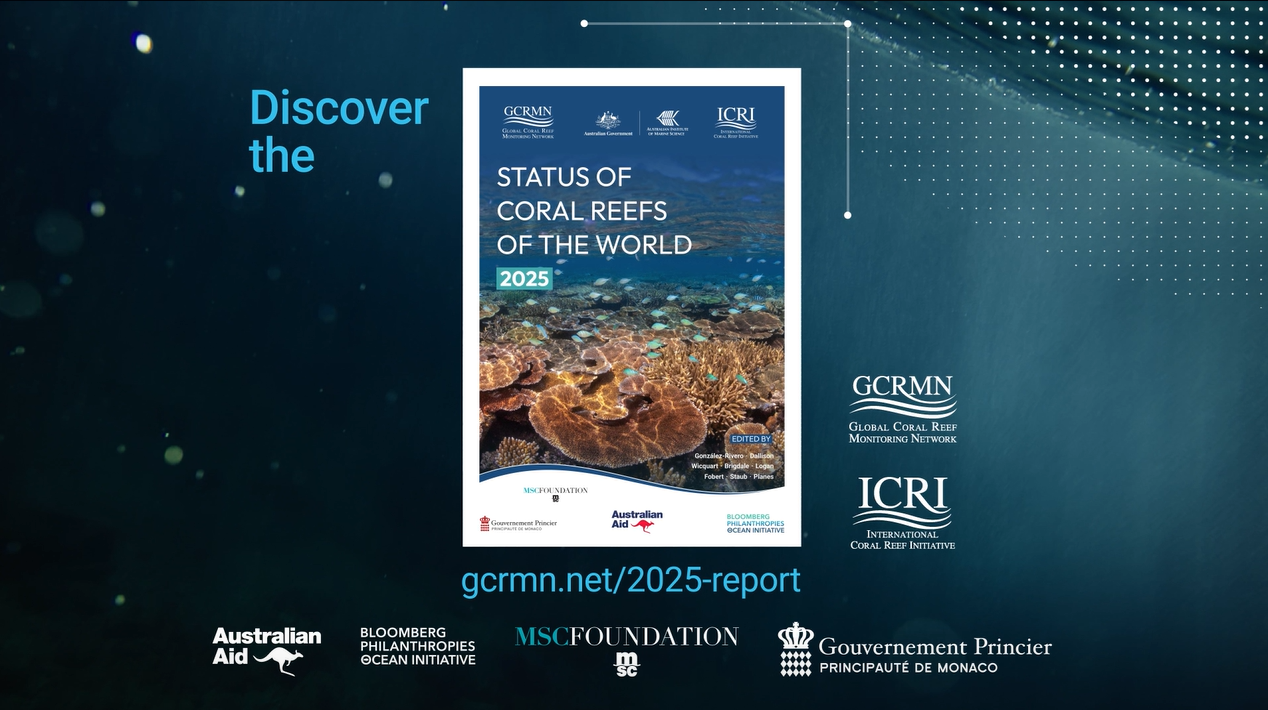
The report, "Status of Coral Reefs of the World: 2025", states a relative decline of 9.5% compared to the baseline average for the period of 1980-2009, with the steepest losses following mass bleaching events driven by marine heatwaves. These bleaching events are becoming more frequent and intense as the climate warms, leaving reefs with less time to recover between them. The findings reinforce the urgent need to act rapidly to avoid irreversible losses.
The findings also offer grounds for hope. Despite the global decline, several regions show that reefs can recover when local threats are managed effectively. Reducing pressures related to overfishing, coastal development, water pollution, run-off and coral predation can strengthen reef resilience and improve the prospects for recovery following bleaching. This provides an important message for policymakers and reef managers: well-designed local action can make a measurable difference.
Dr. Manuel González Rivero, lead author of the report, said: "This report provides the most comprehensive assessment to date of the status of the world's coral reefs, and the message is clear: Governments must act with urgency to implement evidence-based policy and management. The strongest pathway to safeguard coral reefs is rapid emissions reductions, effective action on local pressures and sustained long-term monitoring so action is targeted where it matters most."
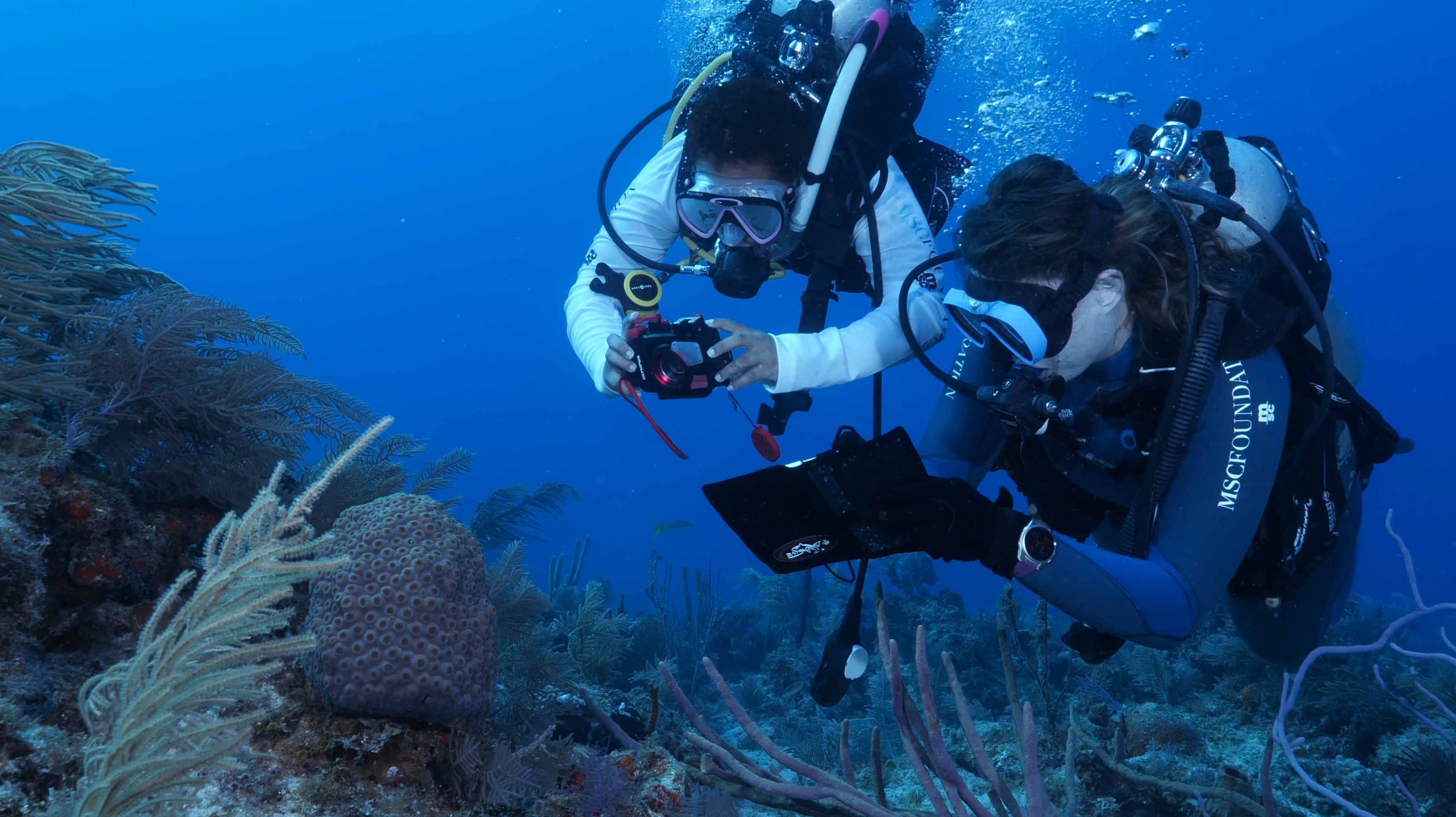
Across multiple initiatives, the MSC Foundation supports research and science-based marine conservation. For example, in The Bahamas, its Super Coral Reefs Program combines coral restoration, marine science education and public engagement at its Marine Conservation Center at Ocean Cay. The MSC Foundation, a member of the International Coral Reef Initiative (ICRI), contributed funding alongside other donors to the latest GCRMN report and provided a case study showcasing the program's research partnerships, monitoring, coral restoration and coral disease treatment.
Daniela Picco, Executive Director of the MSC Foundation, said: "We are proud to have contributed to this extraordinary global scientific effort. Coral reefs are sending us a clear message: these vital ecosystems are under increasing pressure worldwide. Yet the report also shows that where local stressors are managed effectively, reefs can recover. This is why we strongly believe in the importance of investing in research and monitoring which helps inform restoration locally. The choices we make locally today can have a global impact on the future of these vital ecosystems."
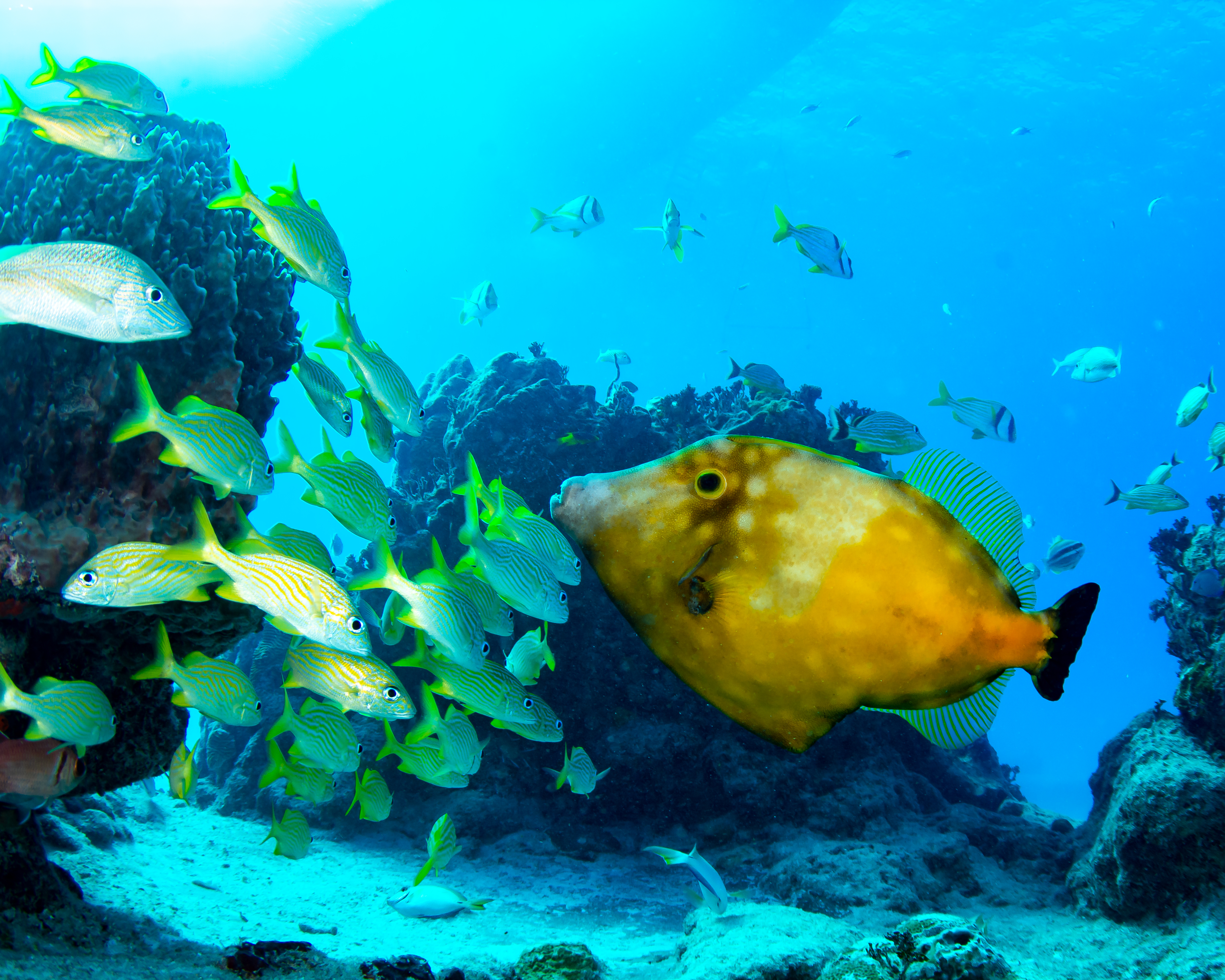
Although coral reefs cover only 0.2% of the ocean floor, they are home to more than 25% of all marine species. They support the livelihoods, food security and wellbeing of approximately one billion people and provide ecosystem services estimated to be worth up to $9.9 trillion annually. Coral reefs also protect coastlines and contain bioactive compounds that contribute to medical and pharmaceutical research.
Caribbean and The Bahamas
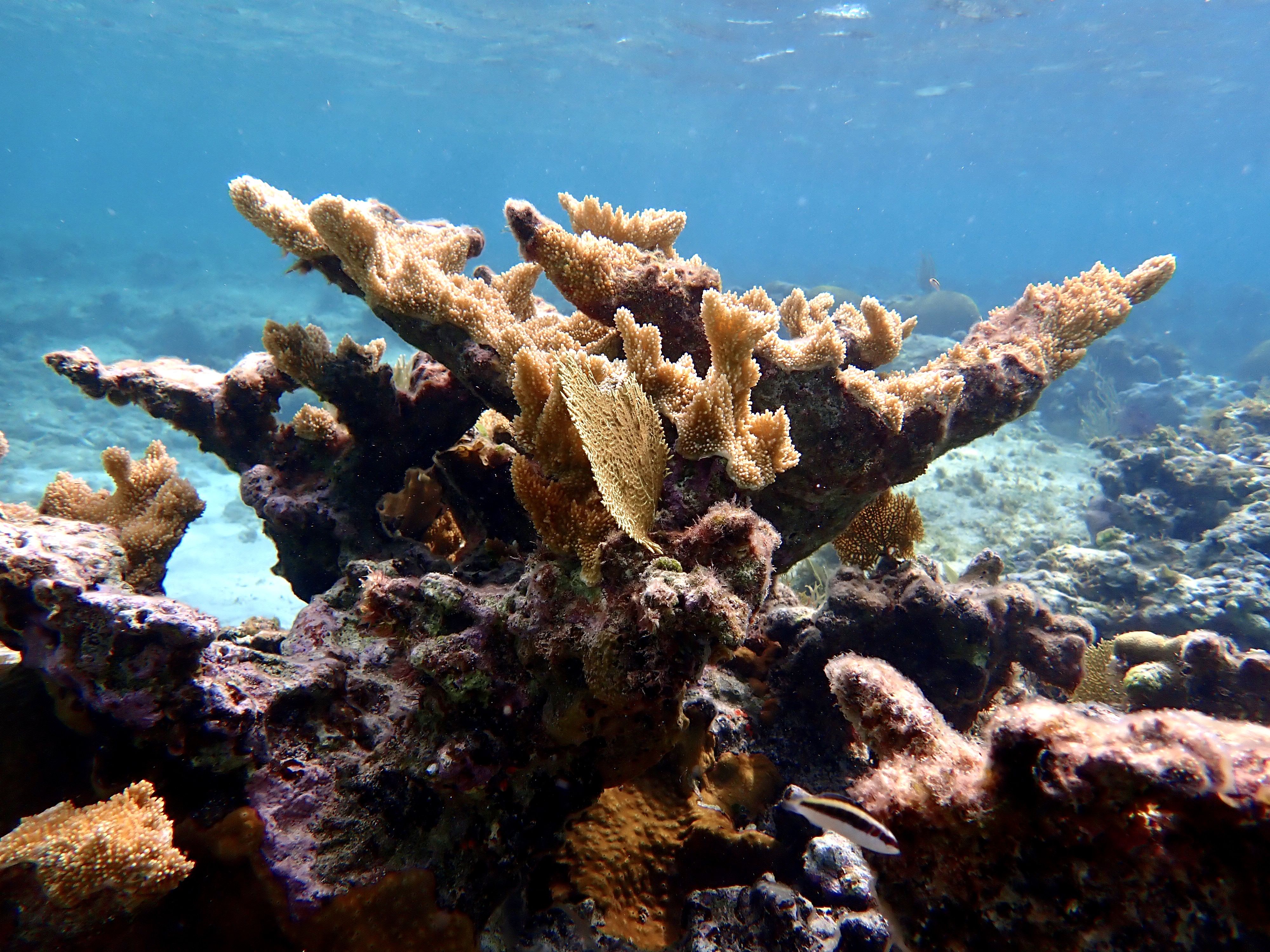
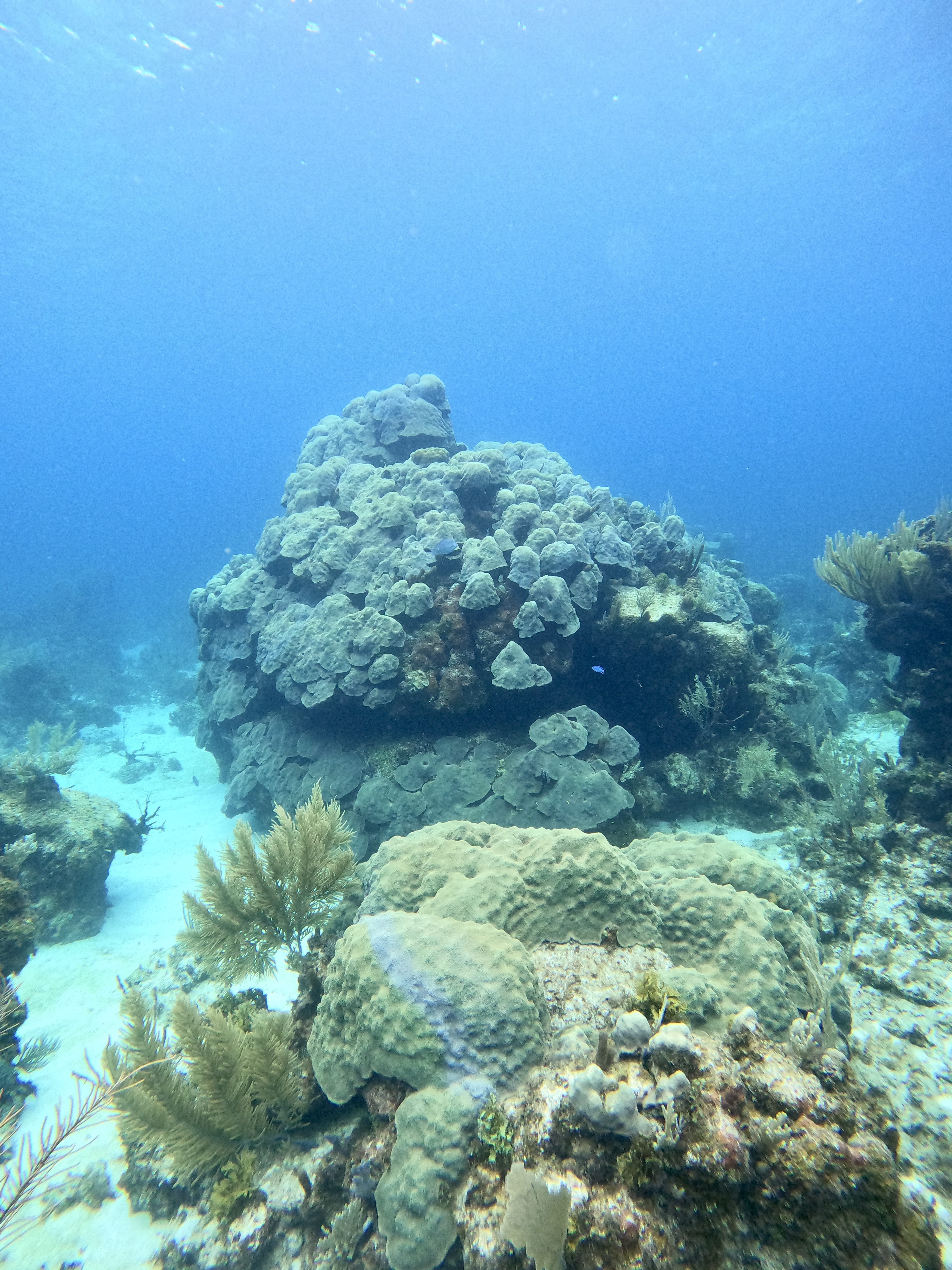
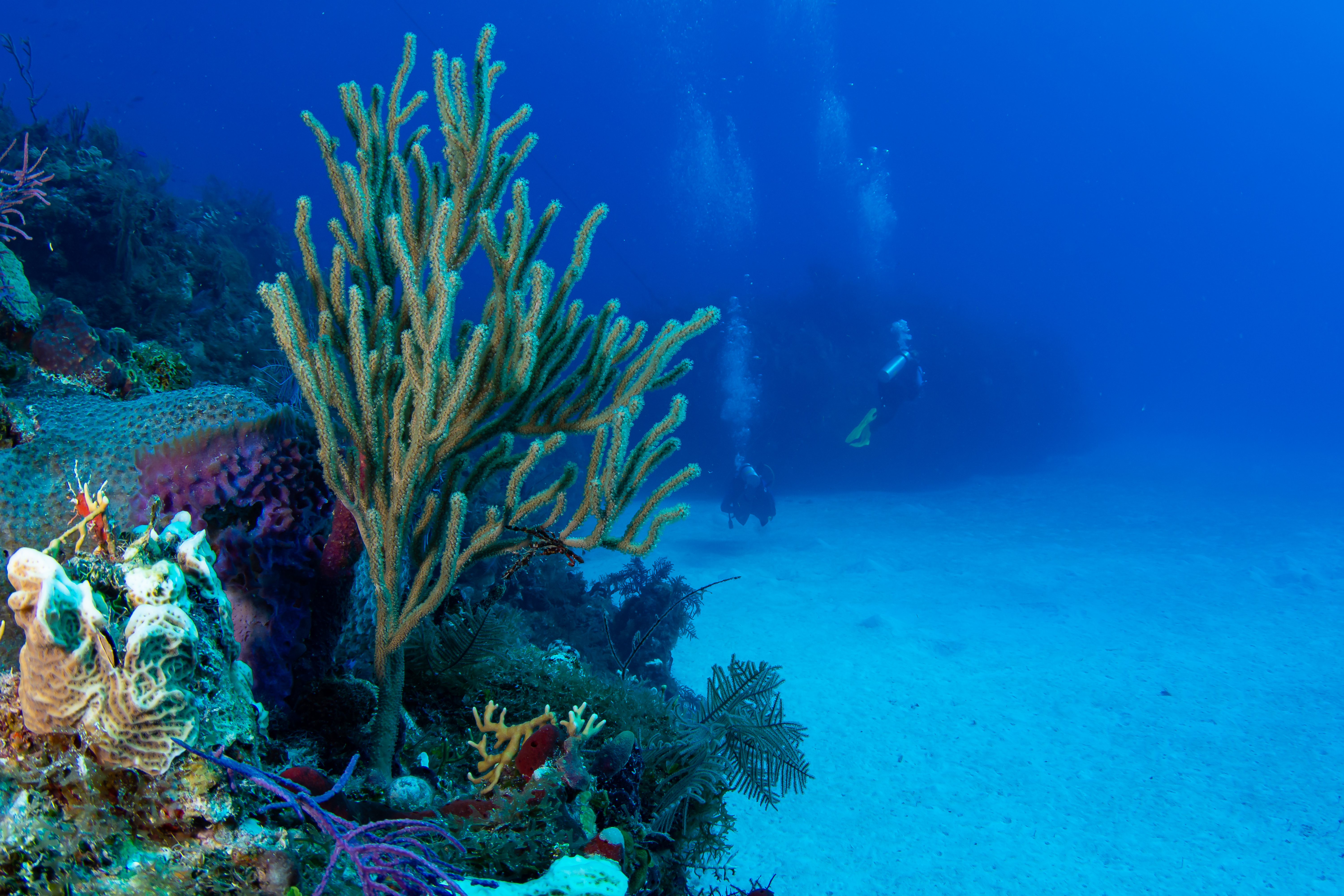
The GCRMN report states that Caribbean is a region that has shown a strong decline in coral cover, especially following strong marine heatwaves and disease outbreaks. The unprecedented rates of spread and mortality from Stony Coral Tissue Loss Disease (SCTLD) has driven severe coral loss across Caribbean regions. Other impacts include increasingly intense hurricanes that damage the coral, increasing pressures such as coastal development with increased pollution, unsustainable fishing, increasing sargassum and invasive species. In the case of the Bahamas specifically, conditions are different with generally lower coral cover which remained through the 1990s followed by a gradual decline through the 2000s and 2010s.
A major advance in collaborative coral science
The 2025 GCRMN assessment marks a major advance in collaborative coral reef science, draws on 40 years of global data bringing together 21.1 million observations from 36,886 reef sites - more than ten times the number included in the 2020 report. The data were collated by more than 600 partners worldwide across many reef monitoring networks. This expanded evidence base makes long-term changes beneath the ocean surface visible, helping scientists track trends and drivers, compare regions and identify hotspots of decline and recovery. It then provides decision-makers stronger evidence to assess risks and tailor responses to local conditions.
ENDS
For the full GCRMN 2025 Status of Coral Reefs of the World Report, visit: https://gcrmn.net/2025-report/
ABOUT MSC FOUNDATION
Headquartered in Geneva, Switzerland, the MSC Foundation is the philanthropic arm of the MSC Group. Established in 2018, the Foundation supports initiatives in environmental conservation, community support, education, and emergency relief. Its mission is to use MSC's global reach and knowledge of the sea to take action that contributes to protecting and nurturing the blue planet and its people.
ABOUT THE MARINE CONSERVATION CENTER
The MSC Foundation's Marine Conservation Center (MCC), located at Ocean Cay in The Bahamas, is a dedicated hub for coral conservation, marine research, and environmental education. The MCC serves as a base for biologists, scientists, students, and island visitors, offering interactive, real-world learning focused on preserving the marine ecosystem. The facility features a discovery pavilion, a lecture hall, a fully equipped Bio Lab, and a land-based coral nursery. It also serves as the base for the MSC Foundation's Super Coral Reefs Program, which is dedicated to restoring resilient coral ecosystems.
The MCC provides educational opportunities that raise awareness about the importance of coral reefs and the urgent need to safeguard marine life. Through partnerships with leading institutions such as the University of The Bahamas, the Bahamas Agriculture and Marine Science Institute, and the Perry Institute for Marine Science, the Center helps to equip Bahamian students, researchers, and conservationists with the knowledge and tools needed to protect our oceans.
Media contact:
Geneva, Switzerland
Kim Mancini, MSC Foundation
+41 76 249 84 34
For more information visit: www.mscfoundation.org and follow us on LinkedIn, Facebook and Instagram
Download
Contact
Media Relations USA
Country or Region selection
Worldwide MSC International
Europe

