 Corporate Information & Media Room

Country or Region selection
Worldwide MSC International
Europe
Corporate Information & Media Room
Critically Endangered Elkhorn Corals Outplanted at Browns Cay Ahead of Marine Heatwave
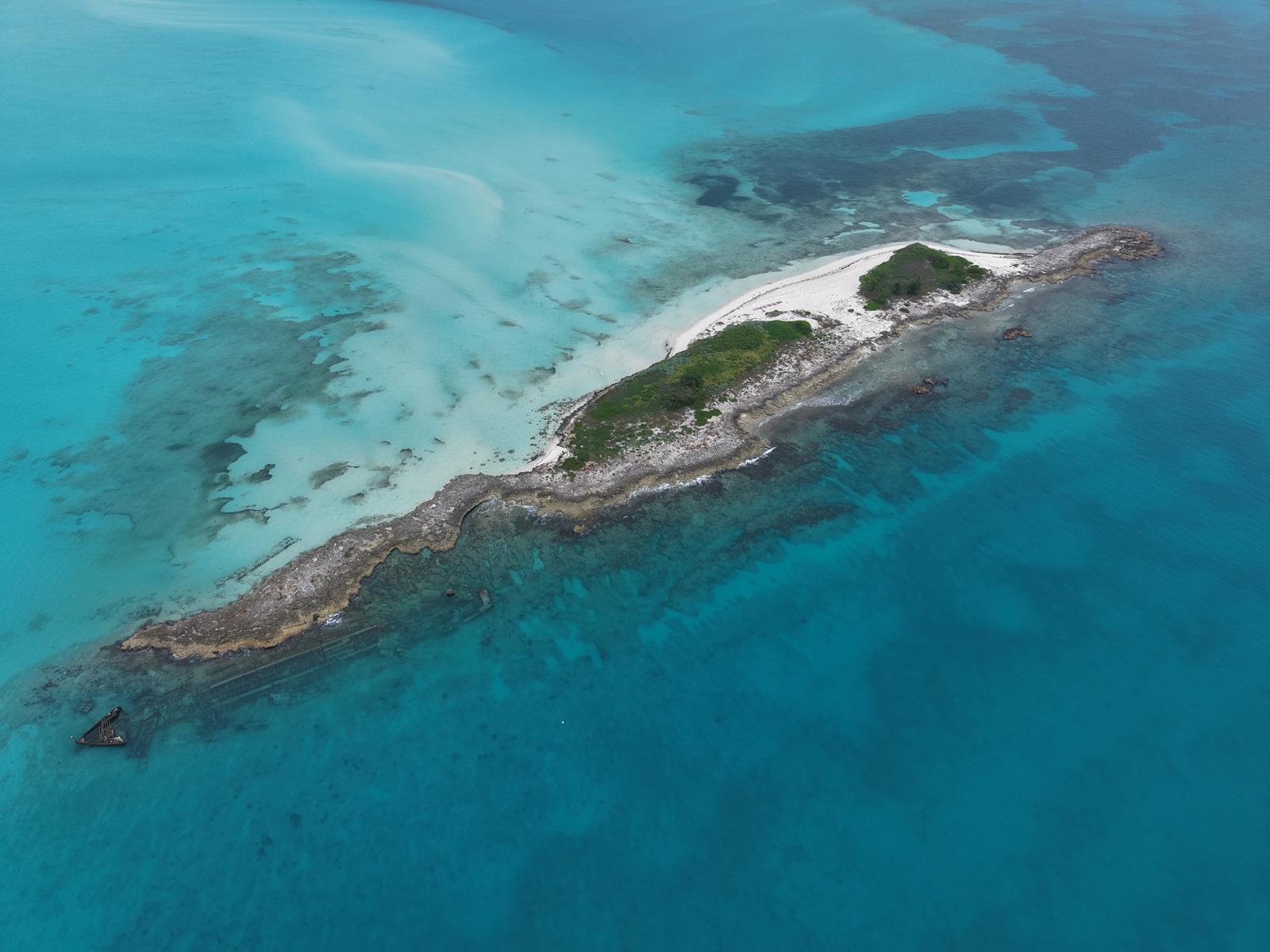
08/17/2026- 32 nursery-grown elkhorn coral fragments have been outplanted near Browns Cay, bringing the program total to 285
- Further outplanting has been paused, with coral fragments retained in underwater nurseries as marine heat stress threatens reefs across the northern Caribbean
GENEVA - Aug. 17, 2026 - The MSC Foundation has completed a further phase of coral restoration in The Bahamas, outplanting 32 nursery-grown fragments of critically endangered elkhorn coral on a reef near Browns Cay, bringing the total number of corals planted to 285, through its Super Coral Reefs Program.
With marine scientists forecasting high ocean temperatures later this summer, the Foundation has also taken the precautionary decision to retain additional coral fragments in underwater nurseries until conditions are more favourable.
Elkhorn coral ("Acropora palmata") is endemic to the Caribbean but is critically endangered, with reports indicating population losses of 97% loss across the Caribbean since the 1980s and eradication at many locations following the 2023-2024 marine heat wave. For The Bahamas, elkhorn coral remains a vital reef-building species, supporting both marine ecosystems and the economy by providing coastal protection and critical nursery and feeding habitat for fish and invertebrates that underpin the country's fisheries and tourism industries.
"Exceptionally warm ocean conditions are forecast this year, which could place corals under significant stress." Emeline Bouchet, Marine Program Manager at the Ocean Cay Marine Conservation Center, said. "The NOAA Coral Reef Watch's July outlook predicts level 2 bleaching conditions for The Northern Bahamas into September. We therefore kept more fragments in our underwater nurseries, where the team can monitor and manage them closely. Restoration is not simply about planting more corals - it's also about putting them in the best position to thrive."
As part of the program, coral fragments are grown in underwater nurseries, before being "outplanted," a process in which they are carefully returned to natural reefs, to support reef recovery and generate data to inform future restoration decisions.
The Browns Cay site was selected following reef surveys and biodiversity assessments that identified suitable conditions for outplanting. Forecasts indicate an increased risk of marine heat stress in the northern Caribbean during the late summer. Heat stress disrupts the relationship between corals and the microscopic algae that live within them, giving them their color and providing much of their food. This causes corals to expel the algae and turn white-a process known as coral bleaching. Without their main source of food, corals essentially starve and become more vulnerable to disease and death. The corals being harvested, grown and outplanted at Ocean Cay were carefully sourced from colonies that demonstrated natural tolerance to heat stress and 100% survival through the 2023-2024 heat wave. As the temperatures forecast for the upcoming marine heatwave are expected to reach even higher levels, the marine scientists will monitor the coral reefs around Ocean Cay monthly to track the health and resilience of the outplanted and natural corals. A technique using photogrammetry allows them to create 3D models, which track the growth and health of the coral over time. The next steps will be to resume outplanting once the marine heat wave has passed and replenish the nursery with new coral fragments to ensure a continuous cycle of growth and restoration.
--
Notes to editors
HOW CORAL RESTORATION AND OUTPLANTING WORKS
Regenerating coral reefs begins with identifying corals that show natural resistance to high temperatures (or other stressors, e.g. disease) and cultivating fragments from these in coral nurseries allowing them to grow in optimal conditions. At Ocean Cay the nurseries are suspended in the water on frames that look reminiscent of trees. On each nursery are fragments grown from offcuts sourced from a single coral colony, essentially making them clones of one donor coral. After about 9 months to a year, when the fragments are healthy and large enough, they are returned to targeted areas of natural reef in a process referred to as outplanting.
Suitable outplanting plots are identified through surveying and biodiversity assessments. Special marine-safe cement is prepared in advance on land, then the coral fragments are collected from the underwater nurseries, brought to the boat, keeping them in water and under shade to avoid stressing the coral, and transported directly to the outplanting site. The divers prepare the seafloor at the designated plot by brushing off sediment and algae, then the corals are carefully placed and secured with the marine-safe cement.
Coral fragments from an individual source colony, so taken from the same source coral and from the same nursery tree, are placed close together to encourage natural fusion to form a larger more resilient colony. Across the reef however, coral fragments from different individuals are spread around the reef to increase genetic diversity of future offspring. The outplanted corals are photographed and then monitored monthly to check how the coral and reef ecosystem is responding.
ABOUT MSC FOUNDATION
Headquartered in Geneva, Switzerland, the MSC Foundation is the philanthropic arm of the MSC Group. Established in 2018, the Foundation supports initiatives in environmental conservation, community support, education, and emergency relief. Its mission is to use MSC's global reach and knowledge of the sea to take action that contributes to protecting and nurturing the blue planet and its people.
ABOUT THE MARINE CONSERVATION CENTER
The MSC Foundation's Marine Conservation Center (MCC), located at Ocean Cay in The Bahamas, is a dedicated hub for coral conservation, marine research, and environmental education. The MCC serves as a base for biologists, scientists, students, and island visitors, offering interactive, real-world learning focused on preserving the marine ecosystem. The facility features a discovery pavilion, a lecture hall, a fully equipped Bio Lab, and a land-based coral nursery. It also serves as the base for the MSC Foundation's Super Coral Reefs Program, which is dedicated to restoring resilient coral ecosystems.
The MCC provides educational opportunities that raise awareness about the importance of coral reefs and the urgent need to safeguard marine life. Through partnerships with leading institutions such as the University of The Bahamas, the Bahamas Agriculture and Marine Science Institute, and the Perry Institute for Marine Science, the Center helps to equip Bahamian students, researchers, and conservationists with the knowledge and tools needed to protect our oceans.
Media contact:
Geneva, Switzerland
Kim Mancini
+41 76 249 84 34
Country or Region selection
Worldwide MSC International
Europe

